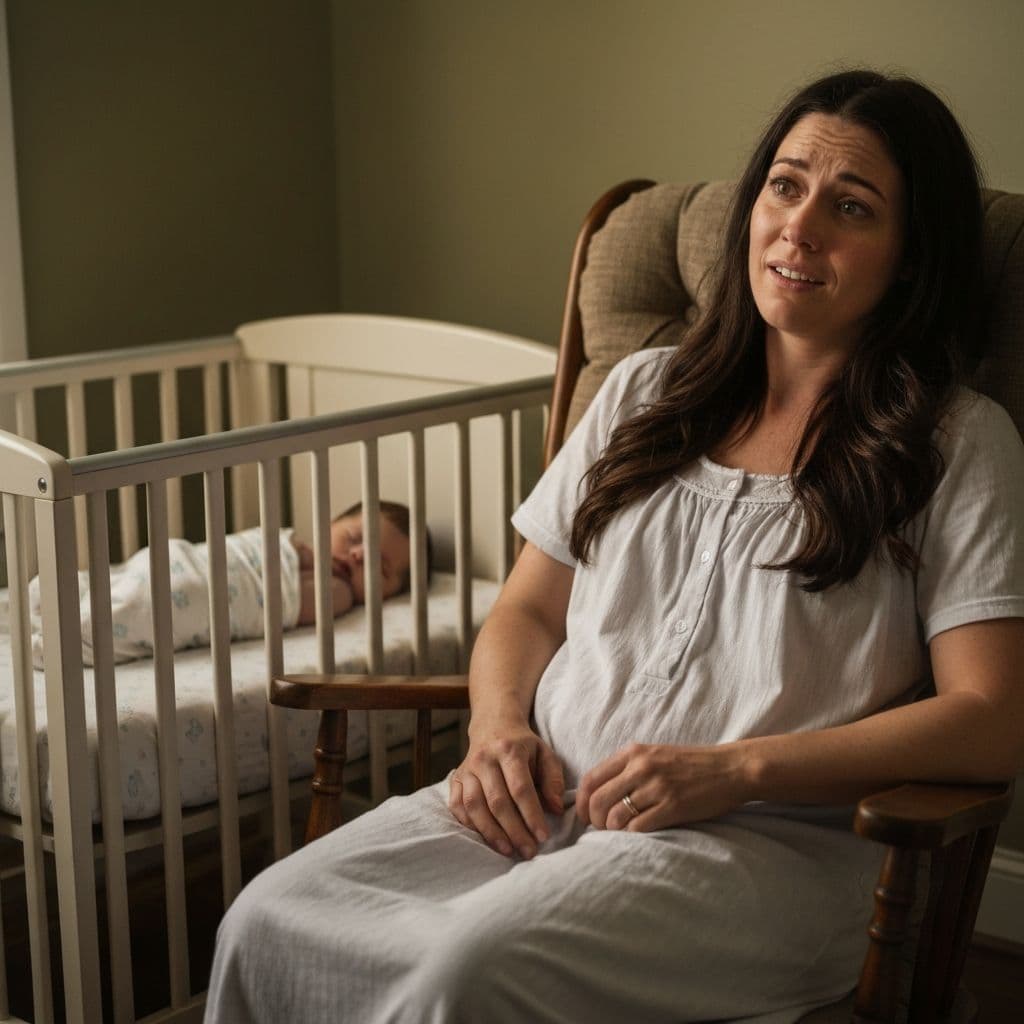
The birth of a child is a wondrous and glorious thing. Until you bring that baby home and are responsible for keeping it alive on zero sleep for weeks and weeks. Add to this already trying scenario is the hormonal cocktail the new mother is dealing with, and it's no wonder that many women experience emotional difficulties after giving birth.
Baby Blues vs. Postpartum Depression
Baby Blues (Normal)
Postpartum Depression (Needs Treatment)
Risk Factors
Getting Help
If you recognize signs of postpartum depression in yourself or a loved one, it's important to seek help promptly. Treatment is effective and may include therapy, medication, support groups, and practical support with childcare and household responsibilities.
You're not a bad mother for struggling. Postpartum depression is a medical condition, not a character flaw. Reaching out for help is an act of love for both you and your baby.
Tags
Need support for your family?
Schedule a free 15-minute consultation with one of our therapists.
Get Started