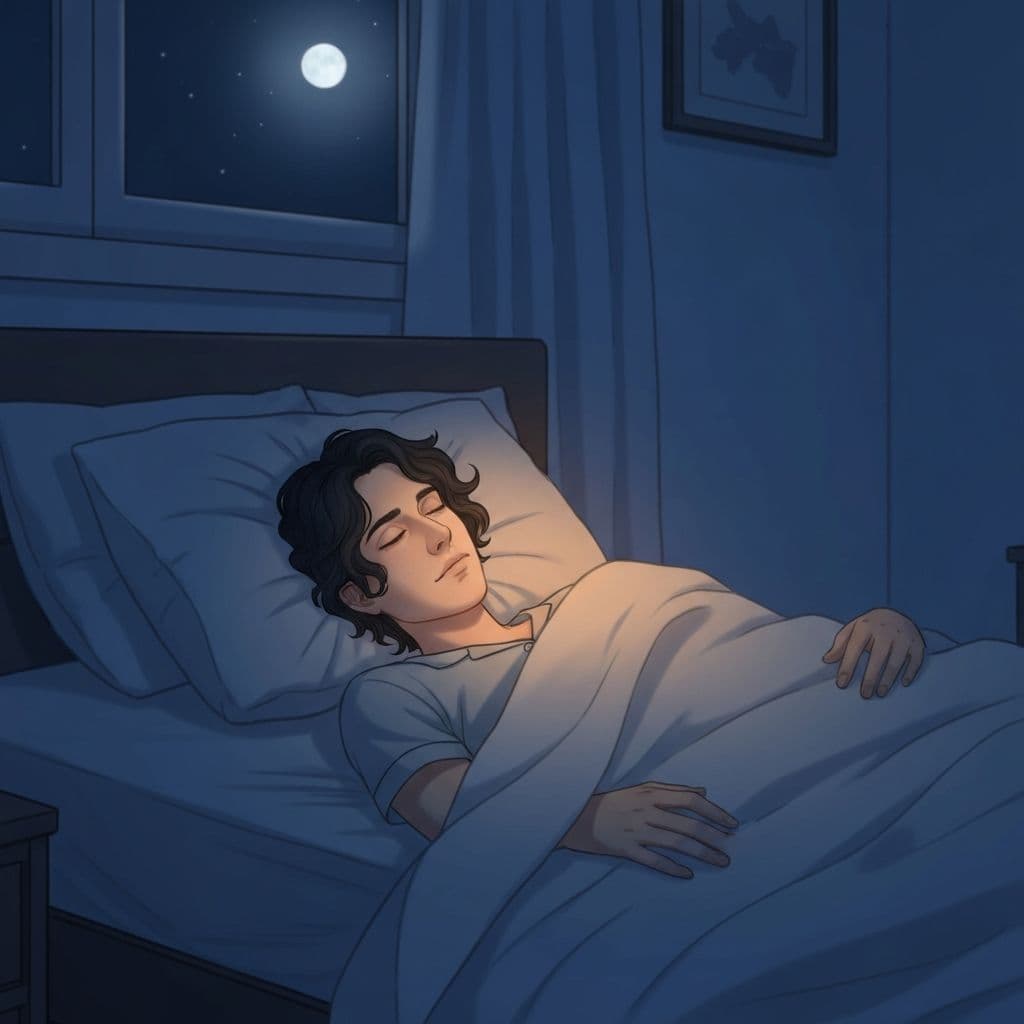
Up to 45% of the population experiences a sleep disorder at some point in their life. So why aren't we talking about it more? Left untreated, sleep disturbances can lead to a myriad of uncomfortable and even life-threatening health conditions. Chronic sleep problems affect mood, cognitive function, and overall well-being.
Common Sleep Disorders
Insomnia
Difficulty falling asleep, staying asleep, or waking too early. Insomnia can be acute (short-term) or chronic (lasting months or longer).
Sleep Apnea
Breathing repeatedly stops and starts during sleep, leading to fragmented rest and daytime fatigue.
Restless Leg Syndrome
An uncomfortable urge to move the legs, especially at night, that disrupts sleep onset.
Narcolepsy
Excessive daytime drowsiness and sudden episodes of falling asleep during the day.
How Poor Sleep Affects Mental Health
Sleep and mental health are deeply interconnected. Poor sleep can:
Treatment Approaches
Cognitive Behavioral Therapy for Insomnia (CBT-I)
The gold standard for treating insomnia, CBT-I helps identify and change thoughts and behaviors that disrupt sleep without relying on medication.
Sleep Hygiene Education
Building healthy sleep habits like maintaining a consistent schedule, limiting screen time before bed, and creating a comfortable sleep environment.
Relaxation Techniques
Mindfulness, progressive muscle relaxation, and breathing exercises can calm the nervous system before bed.
If sleep problems are affecting your daily life, reaching out to a therapist can be an important first step toward reclaiming restful nights.
Tags
Need support for your family?
Schedule a free 15-minute consultation with one of our therapists.
Get Started