Living with ADHD can be very challenging as the mental health condition can and often does impact interpersonal relationships, academic and work performance, and daily functioning.
Traditional Treatments for ADHD
Once a diagnosis of ADHD has been made, there are a variety of treatment options. These typically include:
What Is Neurofeedback?
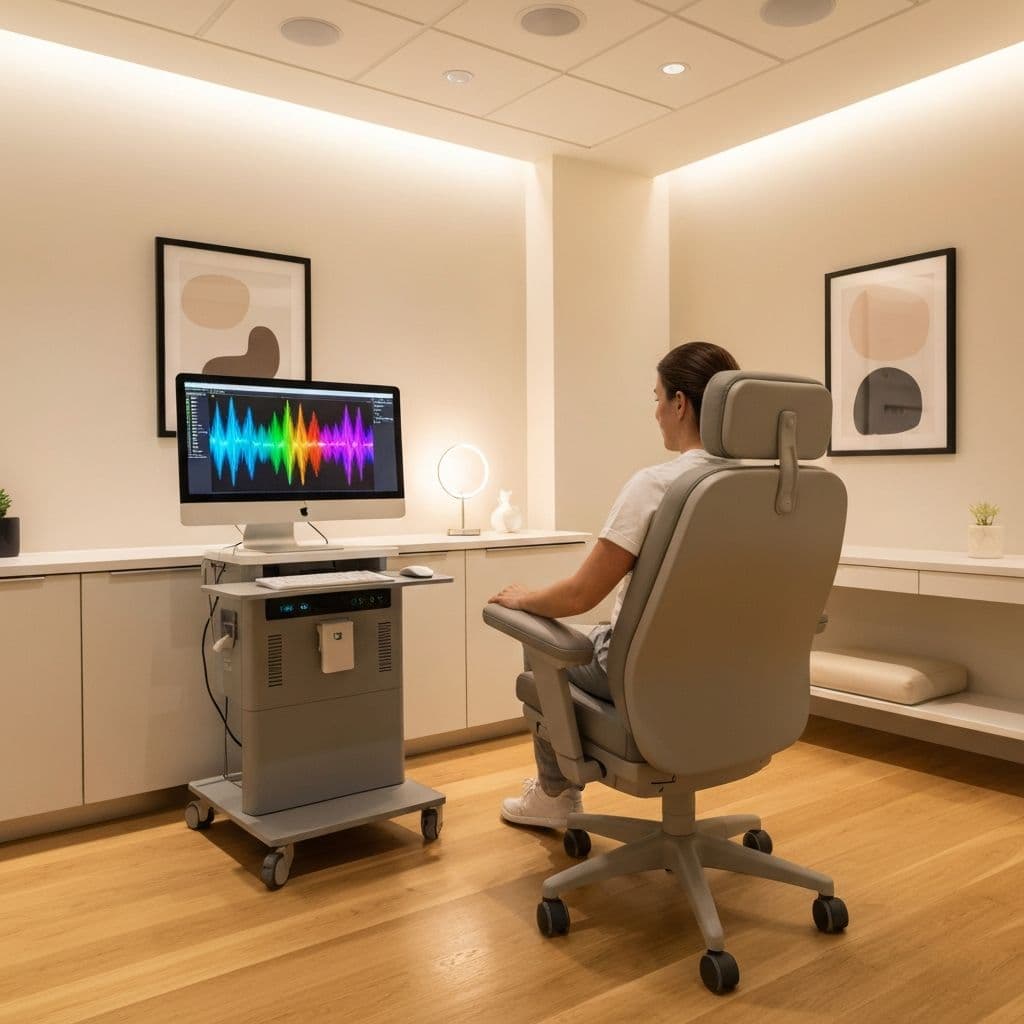
Neurofeedback therapy is a form of biofeedback that helps individuals gain control over their brain's functions by providing direct feedback. During a neurofeedback session:
1. Sensors are placed on the scalp to monitor brain wave activity
2. The brain wave data is displayed in real-time on a screen
3. The patient engages in exercises (often games or videos) that respond to their brain activity
4. When the brain produces desired patterns, positive feedback is given
5. Over time, the brain learns to self-regulate more effectively
How Neurofeedback Helps ADHD
Research has shown that neurofeedback can:
What to Expect
A typical neurofeedback treatment plan involves 20-40 sessions, usually twice per week. Many people notice improvements within the first 10-15 sessions. The benefits of neurofeedback tend to be long-lasting because the brain has actually learned new patterns of functioning.
Is Neurofeedback Right for You?
If you or your child has been diagnosed with ADHD and you're looking for alternatives or complements to medication, neurofeedback may be worth exploring. Talk to us about whether neurofeedback could be part of your treatment plan.
Tags
Need support for your family?
Schedule a free 15-minute consultation with one of our therapists.
Get Started